EV Charger Installation Cost in Caledon
Budget $1,200 to $3,000 for a Level 2 charger installed at a Caledon home, with the permit and ESA inspection already in that figure. Where you land inside the range comes down mostly to one thing out here, the trenched distance from your panel to where the car actually parks.
Published
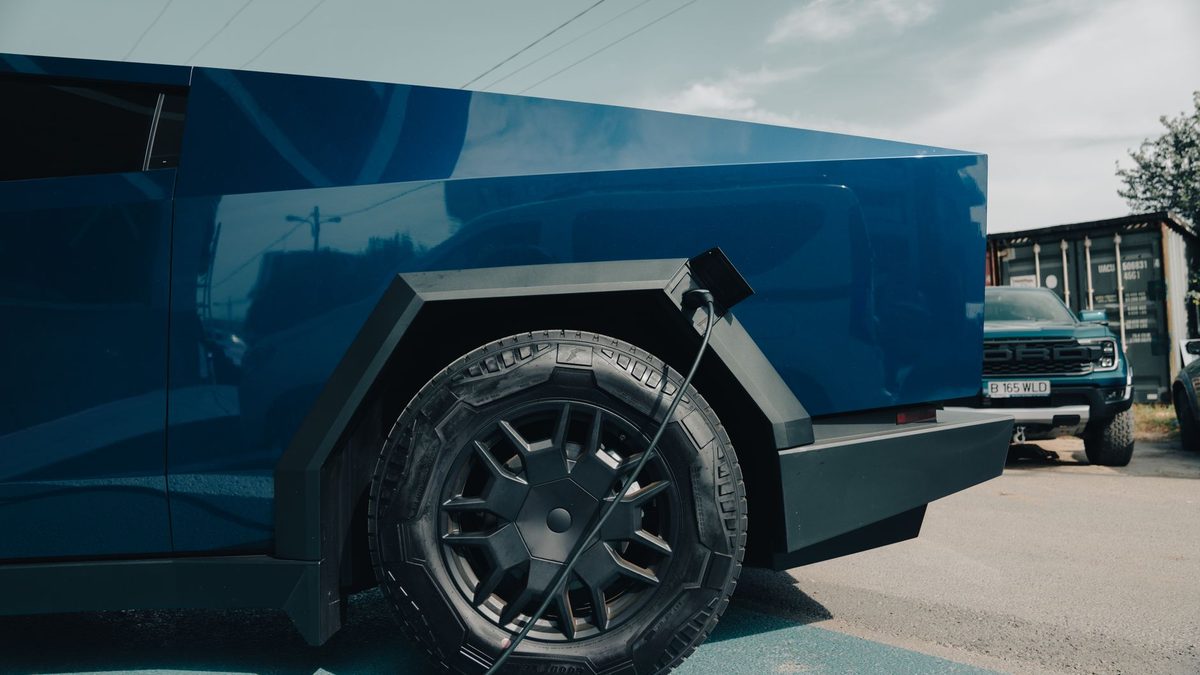
Pricing a home charger in Caledon is a different exercise from pricing one in a dense city lot, and Caledon EV Charger Pros writes quotes with that in mind. The honest range for a Level 2 installation here is roughly $1,200 to $3,000 with the electrical permit and ESA inspection built in, but where you land depends heavily on geography. A hobby farm with the panel in the house and the parking pad two hundred feet away by the barn is a longer, more involved job than a charger a few steps from the panel. This guide explains where the money goes on a Caledon property so a quote reads clearly before you book.
Distance is the cost driver here
On most Caledon homes the question that moves the number more than any other is how far the charger sits from your electrical panel. Country properties put the panel in the house and the car at a detached garage, a workshop, or a gravel pad well back from the road. That cable run, often trenched across a yard or a paddock, is real labour and real material. A short open run in an attached garage is the cheap end. A long underground feed to an outbuilding is the upper end, and the wire has to be sized for the distance, which we cover below.
What shapes the Caledon figure
| Your situation | Typical range |
|---|---|
| Panel in an attached garage, charger a short run away | $1,200 to $1,600 |
| Typical rural home, 15 to 30 metre run to the parking spot | $1,600 to $2,300 |
| Long trenched run to a detached garage or outbuilding | $2,300 to $3,500 |
| Service is tight and needs a panel upgrade first | add $1,800 to $4,000 |
What a long rural run adds
Beyond the bare distance, a few things specific to Caledon acreage push a quote up:
- Trenching. Digging across a yard, a lawn, or a paddock to bury the feed in conduit at code depth takes time and equipment, and it has to avoid existing services.
- Heavier wire. A long run loses a little voltage over the distance, so we often size up the gauge to compensate, which adds material cost.
- Detached structures. Feeding a barn, shop, or detached garage sometimes means a small subpanel at the far end rather than a single home run.
- Service capacity. Rural homes on a well pump, septic, and electric heat can already lean on the panel, so a load calculation may point to a panel upgrade or load management.
Where the number stays low
Not every Caledon home is a long-trench job. Newer builds in Bolton, Caledon East, and the subdivisions often have the panel in an attached garage on a modern 200-amp service, and the car parks a few feet away. That is the least expensive install there is. A smart charger with load management can also keep you off a costly service upgrade by sharing your existing capacity, which often saves thousands compared with a full panel swap.
What the fixed price covers
On a Caledon job the single biggest line is the one a city quote barely registers: the cable run from the panel out to where you park, trenching included when the feed crosses open ground. Around that, a complete Level 2 charger installation folds in the rest of what the work actually needs, namely the electrical permit and the ESA inspection that close it out, the new 240-volt circuit and breaker at the panel, and mounting the unit at the far end. Whether the wall charger itself sits inside that number depends on the quote: some are install-only because the homeowner already owns the unit, others price the hardware in, so confirm which you are reading. A Tesla Wall Connector and a universal Level 2 unit also carry slightly different labour.
Permits and ESA in the price
An electrical permit and an ESA inspection are required for a hard-wired charger or a new 240-volt circuit in Caledon. EV charger installation should be completed by an ESA-licensed electrical contractor, and the permit and inspection belong inside the fixed price rather than appearing as a surprise later. A documented, inspected install also protects you for insurance and at resale, which matters on a rural property where the electrical work is more involved.
Rebates and the records to keep
Incentives for home EV charging change over time and come from a mix of sources: federal programs, the province, and occasionally a manufacturer or utility offer. Rather than quote figures that may be stale, the practical move is to check the current federal and Ontario programs before you buy, and to ask your charger manufacturer whether any rebate applies to their unit. Keep your paid invoice and the ESA inspection record, because rebate claims almost always require proof of a permitted, inspected install. That is one more reason to use a licensed contractor rather than an informal job.
Comparing two Caledon quotes
With a couple of numbers in hand, look past the bottom line. Each quote should name the breaker size and wire gauge, state how the run is routed and whether trenching is included, confirm the permit and ESA inspection, and say whether the charger unit is supplied. On a rural job, a cheaper quote that undersizes the wire for the distance or leaves out trenching is not actually cheaper. A clear, itemized number from a licensed contractor is worth more than a vague low one.
What to send before requesting a quote
You will get a firm number faster if you send a few details up front:
- Your EV make and model, or the charger you plan to use
- A photo of your electrical panel with the door open
- A photo of where you park and where you want the charger mounted
- Rough distance from the panel to the parking spot, and whether the run crosses open ground
Once we can see the panel and trace the run across your property, the number comes together fast. Send those details to EV charger installers in Caledon through the quote form and we will come back with one fixed price, trench, permit, and ESA inspection all inside it, however far back the car sits from the road.
Frequently asked
How much does it cost to install an EV charger in Caledon?+
A standard Level 2 home charger in Caledon typically runs $1,200 to $3,000 with the permit and ESA inspection included. On rural properties the biggest variable is the distance from your panel to where you park, since a long trenched run to a detached garage costs more than a short attached-garage run. Jobs that also need a panel upgrade cost more, which a load calculation confirms first.
Why is a rural Caledon install often more than a city quote?+
Distance and routing. Many Caledon homes put the panel in the house and the parking spot well back, at a detached garage or outbuilding, so the feed is long and often trenched underground. That extra cable, the heavier wire gauge a long run needs, and the trenching labour all add to the number that a short city garage run never sees.
Does the price include the permit and inspection?+
It should. A reputable Caledon installer folds the electrical permit and the ESA inspection into the fixed price so there are no surprises. Always confirm this is included before booking, because an uninspected install can cause problems with insurance and at resale, and rebate claims usually need the inspection record.
Is the charger unit itself included in the cost?+
Sometimes. Some quotes include the wall charger, others assume you supply your own. A basic Level 2 unit runs roughly $400 to $900 on its own. Ask whether the Caledon quote is install-only or install plus hardware so you are comparing like for like.
Can I lower the cost without a panel upgrade on a rural property?+
Often yes. A smart charger with load management can share your existing Hydro One service safely, which avoids the cost of a full panel upgrade in many Caledon homes that run a well pump, septic, and electric heat. A load calculation tells you whether that is an option for your house.